I may be new to being a published author, but I am not new to the foundations of good literature, especially in Western fiction.
On my bookshelf I have had a book called The Complete Western Stories of Elmore Leonard that I finally cracked open the other day. In the opening pages we learn through “A conversation with Elmore Leonard,” that writing is something he longed to do ever since he was in the fifth grade. Ultimately, while living in Detroit he got a job in the real world to pay the mortgage as a copywriter for an advertising agency on the Chevrolet account.
He realized that if he was every going to get serious about becoming a published writer, he determined that he was going to have to awaken every morning at 5:00 and start writing before going to work. That’s what he did. He said that even though on some days it was hard to roll out of bed so early, he disciplined himself to do that every morning. He would start the water for the coffee only after he had a piece of writing that was going somewhere, usually not before 7:00. This was his discipline for years before a magazine finally published one of his short stories.
As admirable as that work ethic is, the other quality that I find extremely appealing about Leonard’s work is his attention to detail. He mentioned in this “conversation” that one of his early Western stories was about a blacksmith who created a special kind of gun. That story did not sell, but from that disappointment, he committed to incorporating in his stories only authentic weapons that would have been used for the period in which the story takes place. From a literary perspective, authenticity adds a richness to the story that speaks to the reader that this author had done his homework.
Writers of any stripe for any genre should always strive for authenticity.
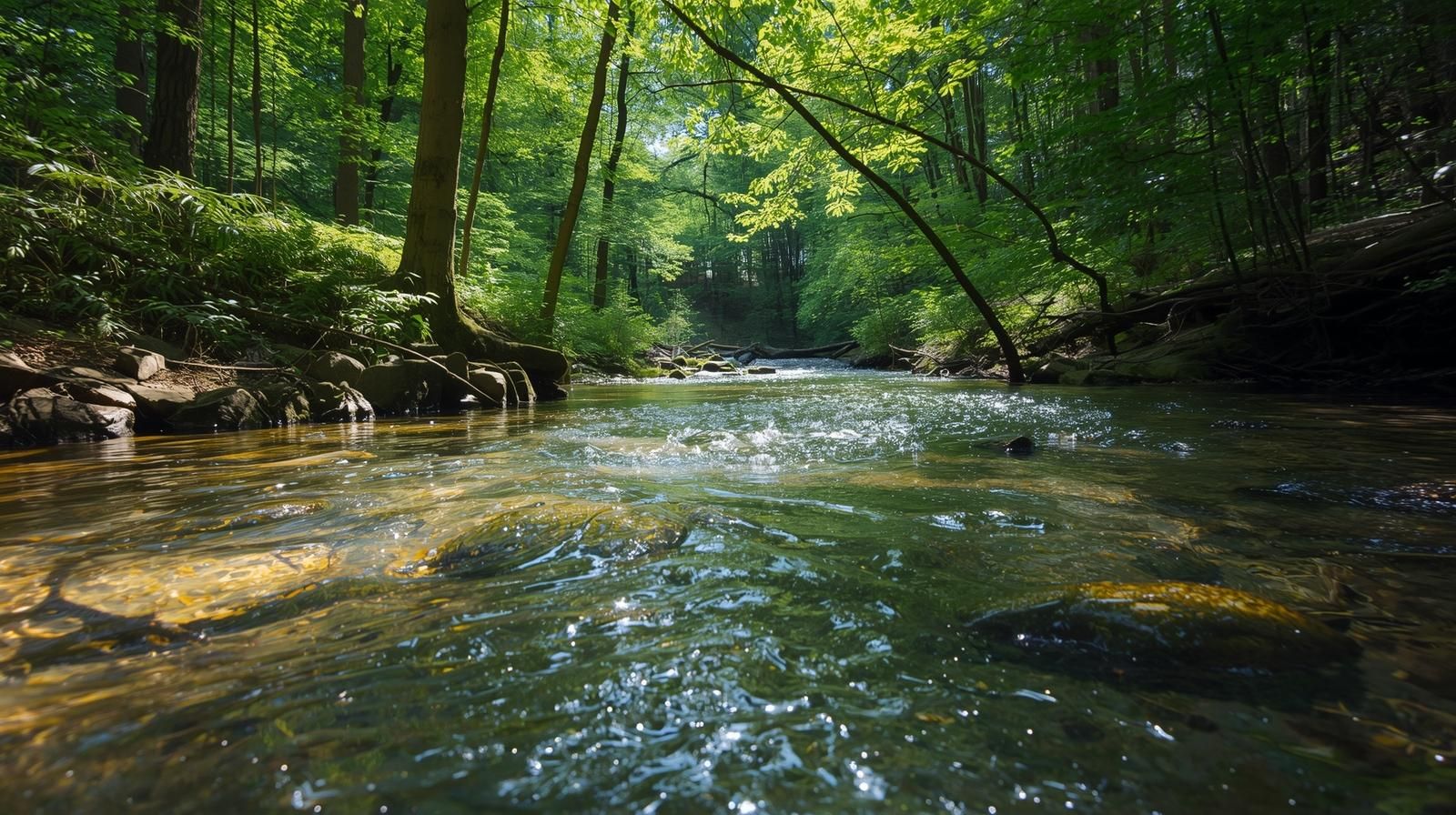
I was reading a Western novel recently that had won a few prestigious awards. It takes place in Arkansas in the early 1900s. (I like to read award-winning books to see what kinds of style cues appeal to the judges who bestow these types of awards.) But the author of this book, in descriptions about trees that were near a farm field, referred to them as deciduous trees. Seriously, I thought?
First, would anyone in the early 20th century refer to an expanse of trees with such a generic, botanical classification? Was “deciduous” even a common part of a person’s vocabulary back then?
People who live on the land, especially in the Midwest, take a small measure of pride in knowing when they are gazing upon a group of oak trees, or walnut trees, or hackberry trees, or sycamore trees, or pecan trees, or poplar, or maple, or elm, or locust. Granted, this is a minor point, but as a reader, I find it unsettling or even lazy writing. Authenticity for even the smallest details shows the reader that the author cares enough to write a convincing story.
That’s what I intend to do.