Sometimes a geographic feature that appears rather ordinary can have a whole lot of significance with many stories behind it.
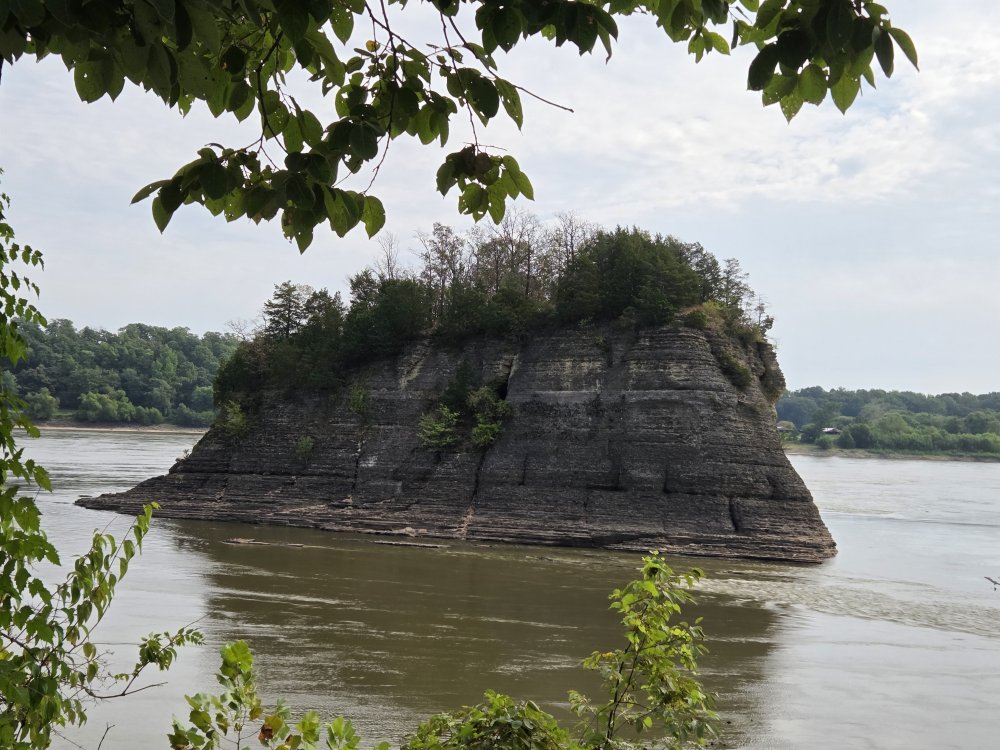
Last Sunday, my wife and I were returning from a wedding in Jackson, Missouri, which is in the southeast part of the state. I decided to take a scenic side trip to the infamous Tower Rock. It sits in the Mississippi River, which makes up the eastern border of the state, outside of a little town called Wittenberg in Perry County.
It is little more than a large rock topped with a forest of oak, hickory, beech and pine trees, but nature has imbued it with a sense of majesty with swirling waters at its base. On an otherwise clear expanse of river, this small island stands as a proud fortress that captivates the imagination like nothing else in its surroundings.
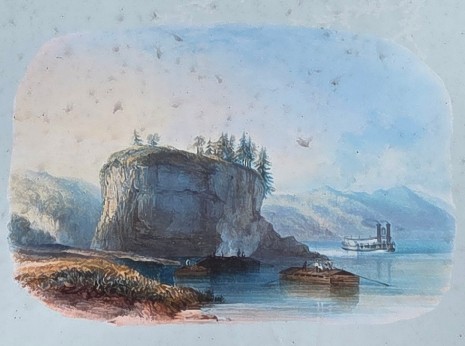
It is this same island that Meriwether Lewis wrote about at length in his journals when he passed through the area more than 200 years ago. Many other travelers and explorers before him expressed their wonder at this landmark, including James Marquette in 1673. For frontier rivermen of hundreds of years ago, this was a spot of celebration similar to sailors crossing the equator, by raising a drink of spirits.
A look at the history of this rock reveals that it was known by many names over the centuries: Cap de Roche, Cap St. Croix la Tour, La Roche de la Croix, Rock of St. Cosme, Castle Rock, and Devil’s Tower. A ridge directly across the river from the island is named Devil’s Backbone.
Lutherans who came from Germany in the fall of 1839 considered this island their Plymouth Rock because they landed near here seeking a place where they could practice religious freedom. They formed the Perry County communities of Wittenberg, and its neighboring towns of Altenberg, Brazeau, and Frohna
According to the Missouri Department of Natural Resources, “Tower Rock is an erosional remnant left as a result of Mississippi River channel shifts. The rock is composed of limestone of the Devonian period formed some 400 million years ago. Surrounding softer rocks were eroded away by the Mississippi River leaving the rock which stands about sixty feet above the average river level.”
Although a person normally cannot walk out to the rock, due to a severe drought in October 2022, people could actually walk over to the rock without getting their feet wet.
Being in the presence of this natural edifice was inspirational and soothing.